
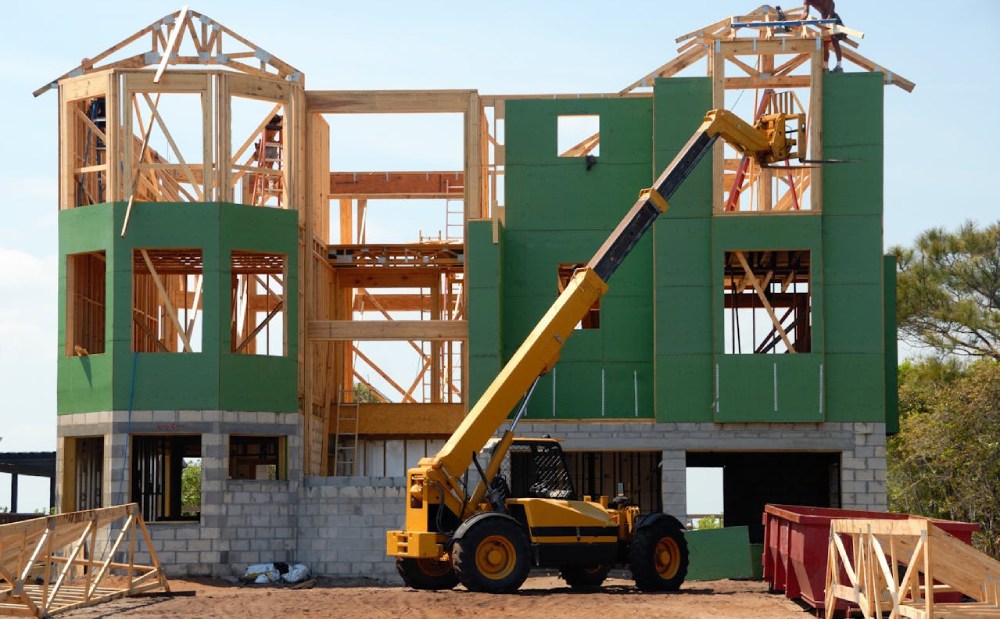
Traditional mortgages work great for finished homes—but they fall short when a property is still under construction.
That’s where construction financing comes in. These loans are designed to fund projects as they’re built, releasing money in stages instead of all at once.
Below, we’ll explain how construction financing works, the types of loans available, and how you can decide if it’s the right fit for your next project.
What Is Construction Financing?
Construction financing is a type of loan used to build a property from the ground up or complete major development projects. This can help cover the project cost of land, labor, materials, and construction.
Unlike a traditional mortgage, construction financing doesn’t give you all the money at once. Funds are usually released in stages, called draws, as different phases of the build are completed. This protects both the lender and the borrower and keeps the project on track.
The biggest difference from a standard mortgage is timing and risk. Traditional mortgages are based on a finished property’s value, while construction financing is based on:
- Plans
- Budgets
- Future value
This means lenders focus less on your profile, and more on the project details.
It’s used by investors, builders, and developers who need funding while a property is being built—not after it’s done.
Types of Construction Financing
Home Construction Loans
Home construction loans are short-term loans used to fund the building phase of a project. They’re commonly used for new home builds or small development projects where the property doesn’t yet exist.
Borrowers usually need the following:
- Approved building plans
- A detailed construction budget
- A realistic timeline
- Strong credit (though requirements vary by lender)
Lenders also look at the builder’s experience and the future value of the property.
Construction to Permanent Loans
Construction to permanent loans combine two loans into one. First, the loan funds construction. Once the build is complete, it converts into a long-term mortgage without the need to refinance again.
This option makes sense for borrowers who plan to hold the property long term and want to lock in financing early. It can reduce closing costs and simplify the transition from construction to ownership.
FHA Construction Loans
FHA construction loans are government-backed loans. They are designed mainly for owner-occupants building a primary residence. They typically offer lower down payment requirements but come with stricter rules.
Borrowers must:
- Meet FHA credit and income guidelines
- Work with approved builders
- Follow FHA property standards.
These loans are less common for investors and can involve longer approval timelines. Because of these limits, FHA construction loans are rarely a good fit for active real estate investors.
| Loan Type | Pros | Cons | Best For |
|---|---|---|---|
| Home Construction Loans |
|
|
Investors or builders planning a new build with a clear exit plan |
| Construction to Permanent Loans |
|
|
Owner-builders or long-term holders |
| FHA Construction Loans |
|
|
Primary residence builds, not ideal for investors |
How Does Construction Financing Work During the Build?
Construction financing releases funds in stages instead of all at once.
The loan follows a draw schedule, with money paid out as major milestones are completed, such as framing or finishing. Before each draw, the lender usually requires an inspection to confirm the work is done.
During construction, borrowers typically make interest-only payments on the funds that have been drawn. This keeps payments lower until the project is finished, at which point the loan is either paid off or rolled into permanent financing.
What Do Lenders Look for in Construction Financing?
Lenders focus on three main areas when reviewing a construction financing request.
First is your financial profile. This includes credit history, income, and cash reserves. Strong reserves matter because construction projects often face delays or cost overruns.
Next is the project itself. Lenders want a clear budget, realistic timeline, and detailed plans. A well-documented scope of work shows the project is thought through and financially sound.
Finally, lenders evaluate builder experience. Proven builders with solid contracts, licenses, and insurance reduce risk. New or inexperienced builders may still qualify, but usually with tighter terms or more oversight.
Construction Financing for Real Estate Investors
Construction financing is often used by investors who are building homes to sell or hold as rentals. These loans can cover both the land and the construction costs, so you don’t have to use all your own cash upfront.
If the project has a short timeline, some investors choose bridge loans or fix and flip financing. These options are usually faster and more flexible, which helps when you plan to sell or refinance soon after the build is finished.
The right loan depends on your timeline, exit strategy, and when the property will generate income.
Is a Construction to Permanent Loan the Right Choice?
A construction-to-permanent loan combines two loans into one. It covers the cost to build the property and then turns into a regular mortgage once construction is finished.
This can make the process simpler and reduce extra paperwork.
That said, these loans can be less flexible. They often have stricter rules, longer approval timelines, and higher documentation requirements. This can be challenging for investors who need to move fast or plan to sell shortly after completion.
Construction-to-permanent loans usually work best for owner-builders or long-term investors. If your plan is to sell or refinance quickly, other financing options may be a better fit.
How Can You Improve Construction Loan Approval Odds?
Getting approved starts with good prep.
Lenders want clear budgets and realistic timelines. Solid cost estimates and a simple, well-defined plan show the project is thought through.
Working with an experienced, licensed builder also matters. A proven track record lowers risk and builds lender confidence.
Lastly, know the lender’s rules upfront. Each lender looks for different documents and reserves. Understanding expectations early helps avoid delays and improves your approval chances.
Why Choose Eastside Funding for Construction Financing?
Eastside Funding works with real estate investors, not just traditional buyers. Our loans are built around real projects and real investment timelines.
We have hands-on experience with Seattle real estate financing, so we understand how projects change from start to finish. That helps reduce surprises and keeps funding aligned with your plan.
As a Washington-based lender, we also bring local market knowledge. We understand zoning, neighborhoods, and pricing across the Seattle area, so your financing fits the market you’re building in.
Ready to Explore Construction Financing?
Construction financing can be a smart option when you’re building a new property or taking on a major development project. The key is choosing the right loan based on your timeline, budget, and exit strategy.
It helps to talk with a lending expert who understands construction projects and investor needs. Knowing your options upfront can save time, reduce risk, and keep your project on track.
Eastside Funding works with Washington real estate investors to provide construction financing that fits the deal—not a one-size-fits-all approach. If you’re considering a build, start with a conversation to understand what’s possible.
