Financing a foreclosure auction property is different from a traditional real estate purchase.
In Washington, and especially in the Seattle area, auctions move on strict timelines. Buyers are expected to act quickly, often without the protections or flexibility found in standard transactions.
That combination of speed and limited visibility introduces risk. At the same time, it can create opportunities for investors who are prepared.
This guide breaks down how foreclosure auction financing works in Washington State and what to consider before bidding.
What Is a Foreclosure Auction Property?
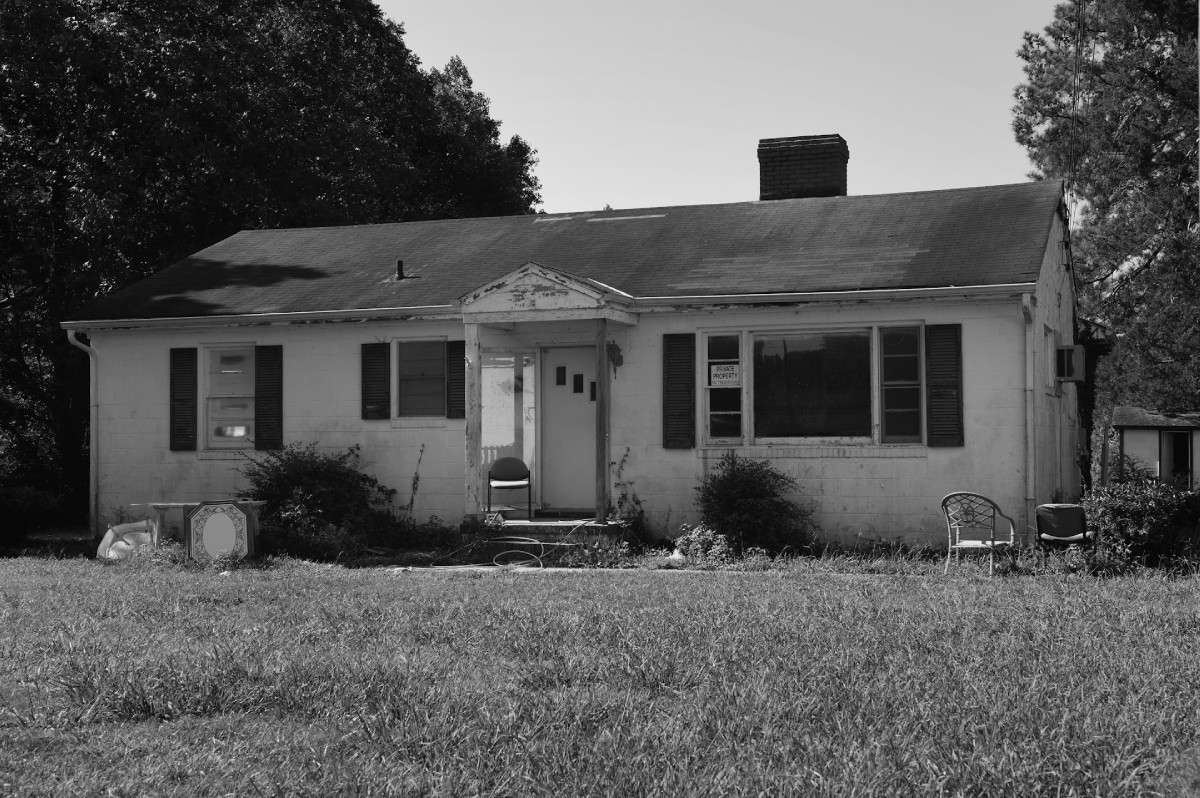
A foreclosure auction property is a home or investment property repossessed by a lender after missed mortgage payments.
It is then sold to the highest bidder at auction to recover the outstanding loan balance.
This creates an opportunity for investors to buy properties outside the traditional listing process, often with fewer barriers.
Common Types of Foreclosure Sales in Washington
In Washington State, foreclosure properties are typically sold through one of three processes:
- Trustee sale (most common in Washington State): A non-judicial foreclosure where the property is auctioned without court involvement
- Sheriff sale: A judicial foreclosure conducted through the court system
- Bank-owned (REO): Properties that do not sell at auction and are later listed by the lender
Each type comes with different timelines and requirements, which can affect how investors prepare and finance a deal. Learn more about how we support these transactions through our foreclosure auction financing program.
Why Financing Foreclosure Auctions Is Different
Immediate Payment Requirements
Foreclosure auctions move quickly. In many cases, payment is required the same day or within 24 hours. There are no financing contingencies, which means funding must be ready before you bid.
Limited Property Access
Auction properties are typically sold as-is. Inspections are not available, and interior access may be limited or nonexistent prior to purchase.
Title and Risk Factors
Foreclosure properties can come with added risk, including:
- Potential liens
- Unknown occupants
- Uncertain property condition
Because of these constraints, traditional mortgage financing is rarely viable at the auction stage.
How Foreclosure Auction Investing Works in Seattle
In Seattle’s market, foreclosure auctions are as much about preparation as they are about capital.
Before bidding, investors need to account for:
- Evaluating the property without full access
- Reviewing title and potential liens
- Planning a clear bidding approach
- Working with fast auction timelines
Each step happens before a bid is ever placed, not after.
Financing is one piece of the equation. Success depends on pairing capital with a clear understanding of the process and risks.
Working with a Foreclosure Auction Specialist in the Pacific Northwest
Some investors handle the entire foreclosure auction process on their own, from researching properties to bidding at the courthouse. Others choose to work with a specialist who knows the local market and can help with the steps that move quickly.
Vestus, founded in 2002, is the longest-running foreclosure investment service in the Pacific Northwest. Based in Kirkland, the Vestus team specializes in helping investors find, research, and acquire foreclosure properties throughout Washington.
Their services typically include:
- Real-time foreclosure data covering active auction properties across the region
- Free weekly investor classes that walk through the foreclosure auction process from start to finish
- Auction strategy meetings to review specific properties and discuss bidding approach
- Purchase support at the auctions, so you don’t need to attend the courthouse in person
For investors who want hands-on support through a process that can feel unfamiliar, working with a foreclosure auction specialist can shorten the learning curve and help you act faster when the right property comes up.
Once you’ve identified a property and a bidding strategy, financing is the next piece. That’s where short-term lending tools like bridge or private loans typically come in.
Types of Foreclosure Auction Financing Options
1. Cash Purchases
Cash remains the most common way to buy at foreclosure auctions.
It provides the strongest position when bidding, since auctions favor certainty and immediate closing. The tradeoff is liquidity, as funds must be readily available, often with little notice.
2. Bridge Loans/Private Lenders (Most Common)
Bridge loans and private financing are widely used by investors who need speed without tying up all their capital.
These loans are typically:
- Fast to approve
- Short-term in structure
- Based primarily on the property rather than borrower income
In Washington, many investors rely on this type of financing to compete in auctions where timing is critical. Learn more about how this works through our bridge loan program.
3. Hard Money Loans
Hard money loans are another short-term option, often used for properties that need extensive work or carry added risk.
They generally involve:
- Short repayment timelines
- Higher interest rates
- Flexible underwriting
Because approval is largely based on the asset, these loans can be useful when traditional financing is not available.
4. FHA Foreclosure Loans
FHA foreclosure loans are typically not used at the auction stage.
They may become relevant after acquisition, such as:
- Refinancing into a longer-term loan
- Purchasing certain HUD-owned properties
In most cases, FHA financing is part of an exit strategy, not the purchase.
5. Conventional Loans for Foreclosed Homes
Conventional loans are rarely compatible with foreclosure auctions.
They usually require an appraisal, inspection, and a home in livable condition.
Because auctions move quickly and properties are sold as-is, conventional financing is better suited for refinancing, not buying.
Real Estate Auction Financing Process (Step-by-Step)
Step 1: Get Pre-Approved or Pre-Qualified
Start by confirming access to capital, especially if you plan to use private or bridge financing. In auction scenarios, lenders often need to move quickly, so early alignment matters.
Step 2: Understand Washington Auction Rules
Foreclosure auctions in Washington are often conducted as trustee sales under a non-judicial process. Timelines are fixed, and terms are not flexible, so it’s important to understand how these auctions operate before participating.
Step 3: Secure Funds Before Bidding
At auction, proof of funds is typically required. Whether using cash or financing, your capital must be ready before you place a bid.
Step 4: Win the Auction and Close Quickly
If your bid is accepted, the closing timeline is often immediate. In many cases, funds must be delivered within 24 hours or a few days, depending on the auction terms.
Step 5: Plan Your Exit Strategy
Before bidding, determine how the property fits into your overall plan. This may include refinancing into a long-term loan, completing a renovation and selling, or holding the property as a rental.
Want to Learn How Foreclosure Auction Financing Works Before You Bid?
Foreclosure auctions have different rules than traditional real estate.
Knowing how auctions are structured, the risks to look for, and how financing fits into the process can help you make more informed decisions.
If you’d like a clearer view of how this works in the Seattle area, attend our you can attend a free Vestus foreclosure investing workshop in Seattle where we walk, where their team walks through the process, timelines, and key considerations before you place a bid.
Foreclosure Trends in Washington State
As of recent data, Washington ranked 38th in foreclosure rates, with 417 properties in foreclosure. Counties such as Lewis, Pierce, and Island have higher concentrations than other areas.
For investors in the Seattle area, this means limited (but still available) inventory. When foreclosures arise, particularly in higher-demand areas, they can attract attention. That’s why preparation and access to capital can influence your ability to act when opportunities appear.
Understanding where and when foreclosure activity increases can help you identify potential investments and adjust your strategy.
Pros and Risks of Financing Foreclosure Auctions
Pros
Foreclosure auctions offer:
- Potential to buy properties below market value
- Opportunity to create value through renovation or repositioning
- Less competition from traditional retail buyers
For prepared investors, these factors can support stronger margins.
Risks
At the same time, auctions come with real constraints:
- Limited ability to perform due diligence
- Uncertainty around property condition
- Pressure to quickly secure and deploy capital
Tips for Financing Foreclosure Auctions in Seattle
In Seattle’s market, preparation and local knowledge can influence how effectively you compete at auction.
A few considerations:
- Work with lenders who understand foreclosure laws in Washington
- Focus on areas with consistent demand, such as Seattle and Bellevue
- Review title carefully to identify potential risks
- Have funding in place before auction day, not after – this can mean the difference between buying and missing the opportunity
When to Use Private Financing vs Traditional Loans
| Scenario | Best Financing Option |
| Buying at auction | Bridge or private loan |
| Fixer property | Hard money |
| Move-in ready after purchase | Conventional or FHA loan |
| Long-term hold | Refinance into longer-term financing |
Each option serves a different stage of the investment lifecycle. In many cases, investors use short-term financing to acquire the property, then transition into longer-term financing once the property is stabilized.
Ready to Finance a Foreclosure Auction Property?
If you’re considering a foreclosure opportunity in the Seattle area, the first step is to get the right financing structure in place.
Eastside Funding works with investors to evaluate the numbers and structure financing that supports your plan. Learn more about our foreclosure auction financing program or contact our team to discuss your deal.
