
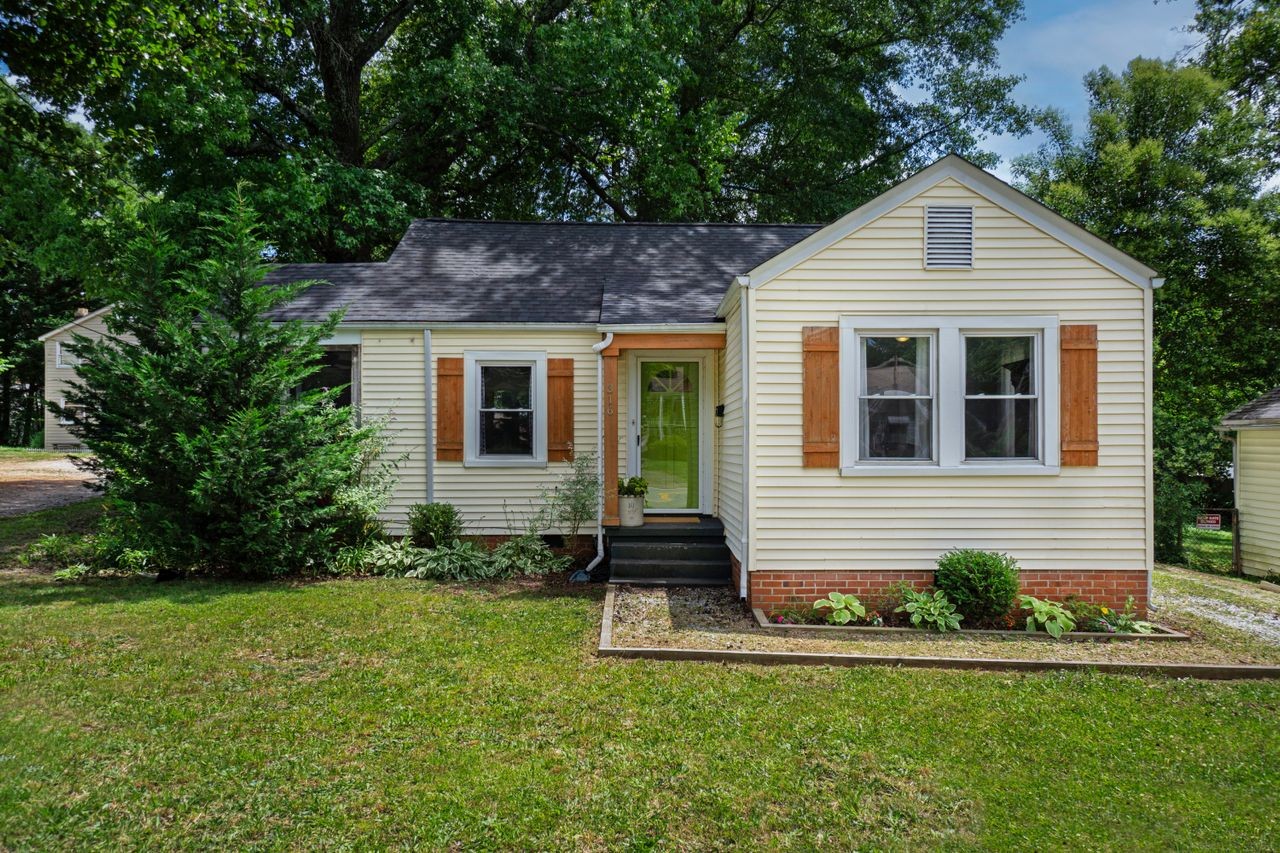
Tariffs add pressure to fix and flip budgets across Washington State and the Pacific Northwest. For investors, higher material costs can affect more than the final invoice. They can change acquisition strategy, construction timelines, contingency planning, and financing needs.
In the Puget Sound region, investors are already working with high labor costs, permitting variables, and competitive resale expectations. A project that looked profitable under older material assumptions may need a closer review in 2026.
This article breaks down:
- What is driving material cost increases
- Which rehab line items are most affected
- The cost of fix and flip projects in the PNW
- How Pacific Northwest flippers can adjust their budgets before work begins
It also explains how higher rehab costs can affect financing structure, draw schedules, and overall deal viability.
What’s Behind the Material Cost Increases in 2026?
Tariffs on imported lumber, steel, aluminum, and building products are one of the main reasons rehab costs are rising in 2026.
For flippers in the Pacific Northwest, these increases can be harder to absorb because project timelines and margins are often tighter than they are for larger development projects.
There are a few major areas where tariffs affect the price of materials:
- Canadian softwood lumber: Higher duties (45% in 2025) increase the cost of framing, sheathing, structural repairs, and other wood-heavy parts of a rehab.
- Steel and aluminum: HVAC equipment, ductwork, metal roofing, appliances, and some building components.
- Imported fixtures and finishes: some cabinets, flooring, lighting, and kitchen or bath products.
These price increases do not always show up neatly on a materials invoice. They may appear in contractor bids, supplier pricing, or price-at-delivery clauses. Domestic suppliers may also raise prices when imported materials become more expensive, which can add another layer of pressure.
Lumber futures, product availability, and supply chain lead times can create additional uncertainty. For a Seattle-area flip, even a small delay or price change can affect the overall rehab budget, draw schedule, and expected profit.
That does not mean every project becomes unworkable. It does mean investors need to price materials carefully, build in a stronger contingency, and make sure their financing reflects current costs rather than estimates from a previous market cycle.
Which Rehab Line Items Are Increasing the Most?
Framing, sheathing, roofing, HVAC equipment, and imported fixtures are seeing some of the biggest cost pressure. Flooring and cabinetry can also be affected, depending on where materials or components are sourced.
Framing and Structural Work
Lumber tariffs can increase the cost of studs, beams, sheathing, subflooring, and other structural materials. Cosmetic flips have less exposure here. Properties that need framing repairs, layout changes, or structural work carry more budget risk because these costs are harder to reduce once work begins.
That makes the risk different from a basic materials price increase. During the pandemic, lumber prices spiked quickly and then shifted again. Tariff-related increases may be more structural because they are tied to trade policy, import costs, and supplier pricing.
Investors should be careful about using older price assumptions when estimating a project that needs significant framing or structural repairs.
Roofing, HVAC, and Mechanical Systems
Steel and aluminum tariffs can affect HVAC units, ductwork, metal roofing, flashing, and related materials. Some contractors also use “price at time of delivery” language, which means final costs may change after the initial bid. That can create uncertainty for both the rehab budget and loan draw schedule.
Finishes: Fixtures, Cabinetry, and Flooring
Imported fixtures, cabinetry components, flooring, lighting, and hardware may also cost more. Regions most affected are China, Southeast Asia and some parts of the EU.
Domestic alternatives can help, but they may come with longer lead times or fewer design options. In Seattle-area flips, finish choices still need to align with buyer expectations and the projected resale value.
How Much Does It Cost to Flip a House in Washington State in 2026?
A mid-level rehab flip in the Puget Sound region may run $45,000 to $90,000 or more to renovate, depending on the project scope. Renovation costs have increased roughly 15-25% from 2022-2023 data.
Common costs associated with flipping a house include:
- Framing or structural repairs
- Roof repair or replacement
- HVAC replacement
- Electrical and plumbing updates
- Kitchen renovation with mid-level finishes
- Bathroom updates
- Flooring throughout the property
- Exterior repairs and landscaping
- Permits and inspections
- A contingency buffer of 15% to 20%
Cosmetic flips usually have less exposure to tariff-related cost increases because they rely more on paint, flooring, fixtures, and light repairs. Full rehabs carry more risk because they often need tariff-affected materials.
How Should Pacific Northwest Flippers Adjust Their Budgets?
Pacific Northwest flippers should use a 15% to 20% contingency buffer, lock contractor pricing where possible, and sequence tariff-sensitive work early in the project. The traditional 10% is not enough when prices, timelines, and contractor bids can change quickly.
Contractor bids should also be reviewed carefully. Fixed pricing provides more budget certainty, while “price at time of delivery” clauses can leave investors exposed if prices increase before installation. Clarify which materials are fixed and estimated, and how they handle changes.
Scope sequencing matters as well. Structural repairs (roofing, HVAC, electrical, plumbing) should usually be addressed before cosmetic upgrades. These line items are harder to defer and can affect the overall timeline.
Local or U.S.-made alternatives can reduce tariff costs, but may come with longer lead times, limited availability, or higher upfront pricing.
In markets like King, Snohomish, and Pierce counties, investors should also compare the revised rehab budget against a realistic after-repair value. Higher costs can still work, but only when the acquisition price, resale value, and financing structure leave enough margin.
Does a Higher Rehab Budget Affect Your Financing?
Yes. A higher rehab budget can affect the total loan amount needed, the loan-to-value ratio, the draw schedule, and the lender’s underwriting.
Rehab loans are typically based on the estimated project cost. If costs change between loan application and start, the loan structure may need to be reviewed. A project that looked well within budget at the start may need more capital once updated bids come in.
Higher costs can also affect draw schedules. If roofing, HVAC, structural repairs, or finish packages come in above the original budget, the timing and amount of each draw may need to be adjusted.
Funding speed also matters in a cost-volatile market. Delays can create more exposure to price changes, especially when bids are only valid for a limited period.
That’s why it’s key to work with a rehab lender who underwrites at today’s material prices, contractor estimates, and project scope, not outdated averages.
Is Flipping Still Profitable in Washington State in 2026?
Yes, flipping can still be profitable in Washington State in 2026 when the acquisition price, rehab budget, and resale value leave enough room for tighter margins. Well-capitalized investors may still find strong opportunities, but margin compression is real.
Nationally, ATTOM reported that the typical flipped home generated a 25.5% gross return on investment in 2025, the lowest level since 2008. For PNW flippers, the data varies by market.
Tip: The WCRER Housing Market Data Toolkit can help assess trends and evaluate potential project ROI in King, Snohomish, and Pierce counties.
In 2026, the strongest flip candidates are often the ones with conservative ARV (after-repair value) estimates, disciplined acquisition pricing, realistic rehab scopes, and a clear plan to control carrying costs.
Cosmetic and light rehab projects may also carry less tariff exposure than full gut renovations. For investors, deal selection matters as much as execution.
Rising material costs aren’t going away in 2026, but they can be planned around.
Investors who update their rehab budgets, build in stronger contingencies, and evaluate materials early are in a better position to protect their margins.
Financing should also reflect the current cost environment. If material prices, contractor bids, or project timelines have changed, the loan structure should be reviewed before work begins.
Eastside Funding works with Washington State real estate investors on rehab loan structures for fix-and-flip and renovation projects. If you’re evaluating a property in the Seattle area, you can contact our team to discuss how current material costs may affect your deal structure.
